SUMP Central

News

EU provides funding for sustainable transport projects

A new call for proposals under the new Connecting Europe Facility (CEF) Blending Facility has recently been launched by the Innovation and Networks Executive Agency (INEA). Under the Blending Facility, €198 million in grants has been made available to promote the participation of private sector investors and financial institutions in projects contributing to the environmental sustainability and efficiency of transport in Europe. The Blending Operations are a combination of grants and/or financial instruments from the EU budget and financing from Implementing Partners (via a loan, debt, equity or any other repayable form of support).

Click here to find out who can apply and how.

EU provides funding for sustainable transport projects Read More »

Diesel ban in Berlin

Berlin has implemented the first of seven planned diesel restrictions, to manage its nitrogen dioxide emissions. The city follows action by other cities in Germany, Hamburg and Darmstadt, which have implemented low emission zones to facilitate compliance with nitrogen dioxide limits. It is likely that additional cities in Germany will implement low emission zones to tackle nitrogen dioxide exceedances.

Since January 2010, Berlin has had a low emission zone in place, which bans Euro 4 (diesel) and Euro 1 (petrol) vehicles from entering the city. Under this low emission zone, vehicle owners must purchase green stickers from government authorities or other authorised bodies, to display compliance with the low emission zone.

The city decided to implement a stricter low emission zone, known as the Diesel Fahrverbot (diesel ban), which allows only diesel vehicles with a Euro 6 standard or above to operate in the city. 

For more information visit the source page here.

Diesel ban in Berlin Read More »

Sustainable urban mobility plan of Szeged

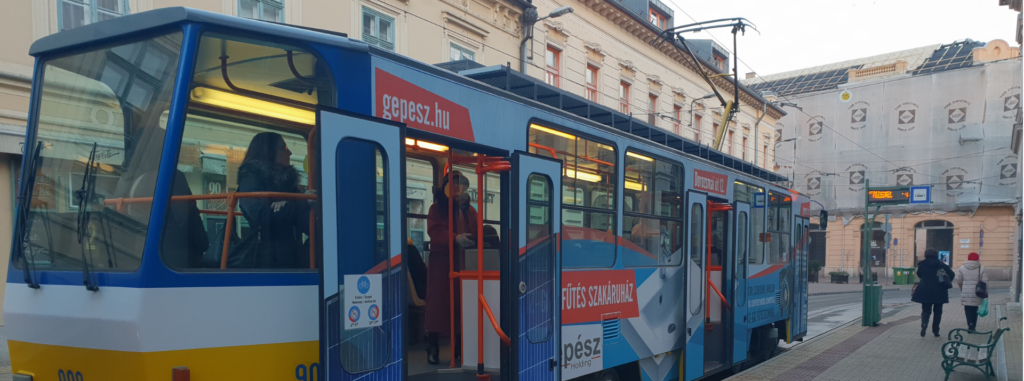
Driven by its commitment to sustainability, the Local Government of Szeged has decided to create a sustainable urban mobility plan (SUMP) to lay the foundations for the objectives and measures aimed at the development of transportation in the period between 2017 and 2030.

The document is intended to contribute to the synthesis of Szeged’s existing plans for urban development and those for the development of transportation. It offers sustainable and integrated solutions for the transportation problems of the city, thus contributing to the realisation of the objectives of climate protection and energy efficiency.
This Mobility Plan has been developed by a planning methodology that is based on the best international practices and, at the same time, it is integrated into the Hungarian professional context and adjusted to local circumstances. Compared to existing practices in transportation planning, the Mobility Plan takes a more people-oriented approach, and it lays more emphasis on the involvement of the public and various groups of stakeholders, as well as the reconciliation of different policies. It intends to break away from the one-sided approach of traditional professional policies in order to create a comprehensive approach to issues of mobility.

Sustainable urban mobility plan of Szeged​

Sustainable urban mobility plan of Szeged Read More »